

The benefits of being a HGV Driver in the UK
HGV drivers are essential for keeping the UK’s supply chains moving. There’s consistent demand across industries like retail, manufacturing, construction, and logistics, providing good job stability.
Experienced HGV drivers often earn competitive wages, with opportunities for overtime and bonuses, especially in sectors like long haul or specialised freight. Driving different types of vehicles (rigid, articulated, tanker) and routes (local, regional, national) keeps the role dynamic and interesting.
Many drivers enjoy the autonomy that comes with the job, spending time on the road independently and managing their own schedules (especially self-employed drivers or agency workers). For those who love travel, long-distance driving offers the chance to see different parts of the UK and sometimes Europe.
You can advance your career by obtaining additional licences (e.g. Class 1 from Class 2), CPC certification, or moving into supervisory, training, or logistics management roles. Some roles allow for flexible hours, part-time work, suiting a variety of lifestyles and commitments.
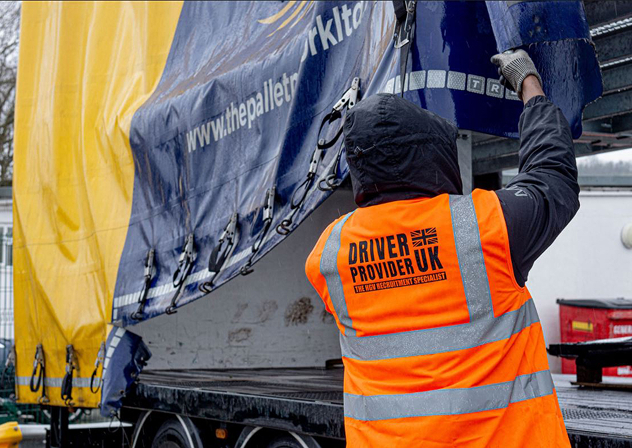
Class 1
Holds a Category C+E licence, allowing them to drive articulated lorries (also called “artics” ) — large trucks with trailers attached. This role is a crucial part of the UK’s freight and logistics network.
Driving large articulated vehicles, often carrying heavy goods over long distances across the UK and sometimes Europe.
Loading and unloading cargo safely (in some roles).
Planning routes to meet delivery schedules while complying with driving hours regulations.
Carrying out vehicle safety checks and basic maintenance.
Communicating with planning teams and clients about delivery status or issues.
Adhering strictly to road safety laws, including hours of service and rest periods.
Often involves long hours on the road, sometimes overnight or early mornings.
Working conditions can vary depending on the load — from dry goods to refrigerated or hazardous materials.
Skills and Qualities:
Strong concentration and awareness for safe driving of large vehicles.
Good time management and organisational skills to meet tight schedules.
Physical fitness to manage loading tasks and inspections.
Flexibility to handle changing routes or urgent delivery needs.
Good communication skills for liaising with clients and colleagues.
Benefits:
Generally higher pay compared to other driving categories due to skill and licence requirements.
Opportunities to work in diverse sectors like retail, construction, and hazardous materials transport.
Potential for career advancement into supervisory or logistics roles.
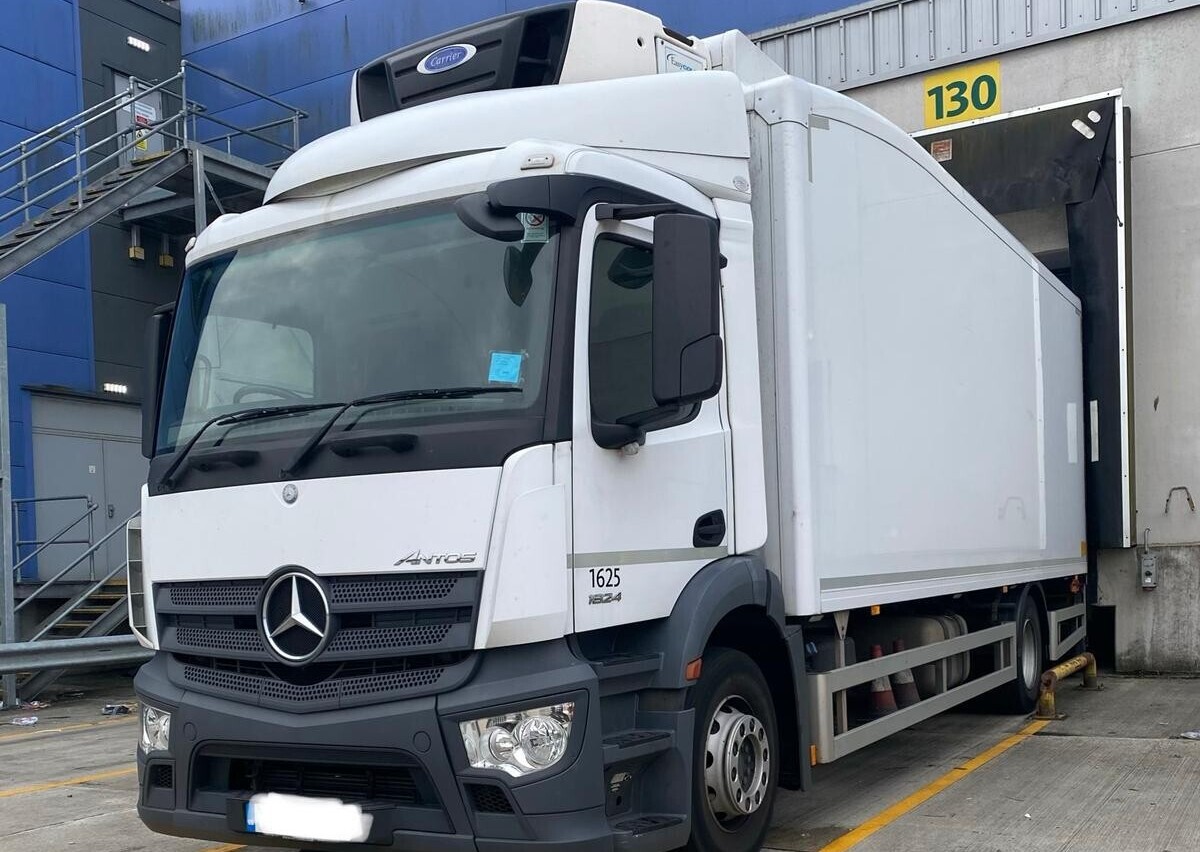
Class 2
Holds a Category C licence, which allows them to drive large rigid trucks without trailers. This role is essential in industries such as local delivery, construction, waste management, and distribution.
Driving rigid trucks (vehicles with a gross vehicle weight over 3.5 tonnes
Delivering goods and materials locally or regionally, often with multiple stops (multi-drop deliveries).
Loading and unloading cargo safely, sometimes manually or with equipment like tail lifts.
Conducting daily vehicle safety checks and reporting any faults.
Planning routes efficiently to meet tight delivery schedules.
Maintaining compliance with driving regulations, including hours of service and rest breaks.
Usually involves local or regional driving, meaning drivers often return home daily.
Work may include urban areas with frequent stops and complex manoeuvring.
Drivers may work in varied weather and traffic conditions.
Physical tasks such as helping with loading/unloading are often part of the job.
Skills and Qualities:
Strong driving skills, especially for handling larger rigid vehicles in busy or tight spaces.
Good organisational skills to manage multiple deliveries and timings.
Physical fitness and stamina for handling cargo and getting in and out of the vehicle frequently.
Adaptability to changing routes or delivery requirements.
Good communication skills to liaise with customers and dispatchers.
Benefits:
- Often a more regular schedule compared to Class 1 drivers, with predictable home time.
Good entry point for drivers looking to advance to Class 1 licences later.
Opportunities across various industries, from retail to construction and waste management.
Competitive pay and benefits, especially for experienced drivers.